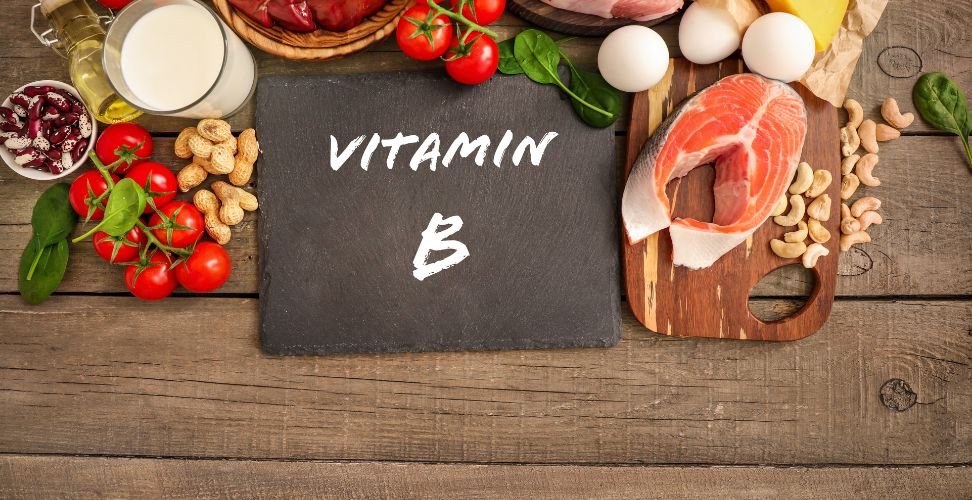
B-Vitamins: Important for Converting Food into Power
B-vitamins are a group of water-soluble vitamins that play critical roles in different bodily features, especially in the metabolic process of food and the conversion of nutrients into energy. These vitamins are important for maintaining optimal wellness and are involved in many physical procedures, including red cell formation, brain feature, and DNA synthesis. In this expedition, we will look into the different B-vitamins, their specific functions, nutritional sources, and the value of preserving ample levels for overall wellness.
The Value of B-Vitamins
B-vitamins, which include B1 (thiamine), B2 (riboflavin), B3 (niacin), B5 (pantothenic acid), B6 (pyridoxine), B7 (biotin), B9 (folate), and B12 (cobalamin), are vital for transforming the food we eat into energy. They function synergistically to support metabolic process and are vital for the correct performance of enzymes involved in energy manufacturing.
- Basal Metabolism: B-vitamins are integral to the metabolic pathways that transform carbohydrates, proteins, and fats into functional power. Without appropriate degrees of these vitamins, the body has a hard time to effectively utilize the nutrients from food.
- Nerves Wellness: Numerous B-vitamins sustain nerve system function. For instance, B12 and B6 are crucial for preserving healthy and balanced nerve cells and making certain proper neurotransmitter function.
- Red Cell Formation: B-vitamins, specifically B12 and folate, are crucial for the production of red blood cells. These cells transportation oxygen throughout the body, which is vital for total power levels.
- DNA Synthesis: Folate, in particular, is important for DNA synthesis and fixing, making it crucial for cellular division and development.
- Mental Wellness: B-vitamins, particularly B6, B12, and folate, are linked to psychological wellness. They play a role in state of mind law and can influence the threat of depression and cognitive decline.
The Different B-Vitamins and Their Features
Each B-vitamin has distinct roles and advantages, adding to energy metabolism and overall health:
- Vitamin B1 (Thiamine).: Thiamine assists transform carbohydrates into power and is vital for correct nerve feature. It plays a crucial role in glucose metabolic rate and energy manufacturing.
- Vitamin B2 (Riboflavin).: Riboflavin is involved in power production and the metabolism of fats, medicines, and steroids. It likewise contributes in preserving healthy and balanced skin and eyes.
- Vitamin B3 (Niacin).: Niacin help in converting food into power by supporting the feature of enzymes that convert carbohydrates and fats into power. It likewise plays a role in DNA repair service and the manufacturing of stress and anxiety and sex hormones.
- Vitamin B5 (Pantothenic Acid).: This vitamin is vital for synthesizing coenzyme A, which is crucial for fat metabolic rate. It assists transform carbs, fats, and proteins right into power.
- Vitamin B6 (Pyridoxine).: B6 is crucial for amino acid metabolic rate, natural chemical synthesis, and red cell production. It also supports immune function and regulates hormonal agents.
- Vitamin B7 (Biotin).: Biotin is very important for carb, fat, and healthy protein metabolic process. It is commonly associated with healthy hair, skin, and nails.
- Vitamin B9 (Folate).: Folate is essential for DNA synthesis, cellular division, and the manufacturing of red blood cells. It is particularly important during pregnancy for fetal development.
- Vitamin B12 (Cobalamin).: B12 is crucial for red blood cell development, neurological feature, and DNA synthesis. It plays a considerable role in energy production by assisting in the metabolic rate of fats and amino acids.
Dietary Resources of B-Vitamins.
To make sure ample consumption of B-vitamins, it is very important to consume a balanced diet plan rich in different foods. Some excellent dietary sources consist of:.
- Whole Grains.: Wild rice, oats, barley, and entire wheat items are abundant in B-vitamins, particularly B1, B3, and B5.
- Meat and Chicken.: Lean meats, fowl, and fish are exceptional resources of B6 and B12. Organ meats, such as liver, are specifically abundant in numerous B-vitamins.
- Dairy Products Products.: Milk, yogurt, and cheese provide riboflavin, B12, and various other B-vitamins.
- Eggs.: Eggs are an excellent source of B7 (biotin) and various other B-vitamins.
- Legumes.: Beans, lentils, and peas are high in folate and supply other B-vitamins as well.
- Nuts and Seeds.: Almonds, sunflower seeds, and peanuts consist of different B-vitamins, particularly B6 and folate.
- Leafy Greens.: Spinach, kale, and other dark leafy environment-friendlies are abundant in folate and give a range of various other vitamins.
- Fruits.: Citrus fruits, bananas, avocados, and berries are good sources of numerous B-vitamins, consisting of folate and B6.
Indicators of B-Vitamin Shortage.
Inadequate consumption of B-vitamins can result in deficiencies that can impact energy degrees and total health. Typical indicators of B-vitamin shortage consist of:.
- Tiredness.: Reduced power levels and feelings of fatigue can be a sign of insufficient B-vitamin consumption, especially B12, B6, and folate.
- State Of Mind Modifications.: B-vitamin shortages can contribute to mood swings, anxiety, and clinical depression.
- Skin Concerns.: Skin breakouts, dryness, and irritability can indicate an absence of riboflavin, niacin, or biotin.
- Neurological Signs.: Tingling, tingling, or various other neurological concerns may signal a shortage in B12 or other B-vitamins.
- Digestive Problems.: Deficiencies can result in gastrointestinal problems, including looseness of the bowels and bowel irregularity.
Keeping Ample B-Vitamin Levels.
To keep ideal degrees of B-vitamins, consider the adhering to pointers:.
- Balanced Diet Regimen.: Eat a variety of foods from all food teams to ensure you get a broad range of B-vitamins.
- Cooking Techniques.: Some B-vitamins can be ruined by heat or light. Steaming, poaching, or microwaving foods can assist protect their nutrient content.
- Supplements.: If you have dietary limitations, are pregnant, or go to threat of shortage, consider talking about supplementation with a doctor.
- Normal Examinations.: Regular blood examinations can help check your vitamin degrees, particularly if you have symptoms of deficiency or go to threat as a result of particular wellness conditions.
Conclusion: The Important Duty of B-Vitamins in Power Production.
B-vitamins are necessary for converting food into power and maintaining overall health. Their duty in metabolic process, red blood cell formation, and nerve system feature highlights their value in day-to-day nourishment. By integrating a range of B-vitamin-rich foods right into your diet plan, you can support your body's power production and general wellness.
As you prioritize B-vitamins in your nutritional choices, you'll be much better furnished to manage stress and anxiety, preserve power degrees, and promote optimum health and wellness. Embracing a balanced diet plan that includes these crucial nutrients will certainly add to a healthier, more vivid life.