Foods for Intestine Health: What to Eat for a Balanced Microbiome
Maintaining a well balanced microbiome is important for general health, as it plays a critical duty in food digestion, resistance, and even mental well-being. The foods we consume significantly affect the make-up of our digestive tract germs, making nutritional options important for supporting digestive tract wellness. In this exploration, we will look into the sorts of foods that can help nurture a balanced microbiome, consisting of fermented foods, high-fiber alternatives, and more.
Comprehending the Microbiome
The digestive tract microbiome is a complicated neighborhood of trillions of microbes, consisting of bacteria, viruses, fungis, and various other germs that inhabit the stomach tract. A diverse and balanced microbiome is related to various wellness benefits, consisting of enhanced digestion, improved immune function, and better psychological wellness. An imbalance in this microbial community, usually described as dysbiosis, can result in different wellness issues, such as gastrointestinal problems, excessive weight, and also mood disorders.
Fermented Foods: The Powerhouses of Probiotics
Fermented foods are rich in probiotics-- live beneficial bacteria that can positively influence digestive tract health and wellness. These foods go through a fermentation process in which microbes transform sugars right into acids, gases, or alcohol. The complying with fermented foods can be exceptional enhancements to your diet regimen:
- Yogurt: A well-known source of probiotics, yogurt is made from milk fermented by certain bacterial societies. Search for plain, unsweetened ranges with online active cultures to optimize health benefits.
- Kefir: This fermented dairy drink resembles yogurt yet has a more comprehensive series of probiotic strains. Kefir can be consumed as a beverage or made use of in healthy smoothies and salad dressings.
- Sauerkraut: Fermented cabbage packed with probiotics, sauerkraut is not just delicious however also rich in vitamins C and K. It can be appreciated on its own or added to sandwiches and salads.
- Kimchi: A standard Korean recipe made from fermented veggies, kimchi is usually spicy and contains various beneficial microorganisms. It can be served as a side dish or utilized in stews and rice recipes.
- Kombucha: This carbonated fermented tea is rich in probiotics and can be a refreshing drink. Homemade or store-bought choices are readily available, yet opt for selections with less sugarcoated.
- Miso: A fermented soybean paste used in Japanese cuisine, miso is abundant in probiotics and can be included in soups, dressings, and marinates.
High-Fiber Foods: Nourishing the Microbiome
Fiber is an important component of a gut-friendly diet regimen, as it works as food for beneficial digestive tract germs. A high-fiber diet supports the growth of these bacteria, promoting a varied microbiome. Below are some fiber-rich foods to include right into your dishes:
- Fruits: Apples, bananas, berries, and pears are excellent sources of dietary fiber. They also include prebiotics, which feed useful digestive tract microorganisms.
- Veggies: Leafy environment-friendlies (spinach, kale), cruciferous vegetables (broccoli, cauliflower), and origin vegetables (carrots, sweet potatoes) are packed with fiber and nutrients that sustain gut health and wellness.
- Legumes: Beans, lentils, and chickpeas are high in fiber and protein, making them an excellent enhancement to salads, soups, and stews. They additionally add to a healthy and balanced digestive tract microbiome.
- Whole Grains: Oats, quinoa, brown rice, and whole wheat items are rich in fiber and offer necessary nutrients that sustain digestion and general wellness.
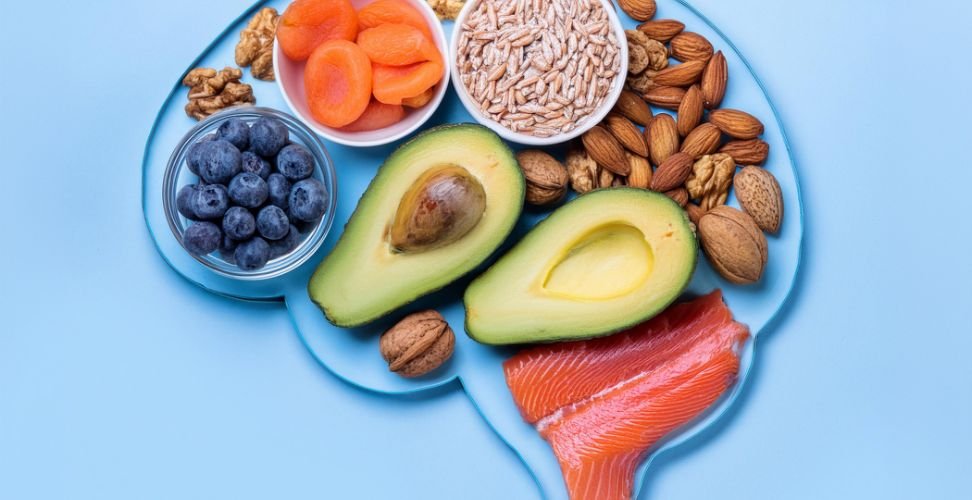
- Nuts and Seeds: Almonds, walnuts, chia seeds, and flaxseeds are wonderful resources of fiber and healthy and balanced fats. They can be added to healthy smoothies, yogurt, or salads for a nutritious increase.
Prebiotic Foods: Gas for Beneficial Microorganisms
Prebiotics are non-digestible fibers that act as food for probiotics, assisting them grow in the digestive tract. Consisting of prebiotic-rich foods in your diet plan can boost the effectiveness of probiotics. Some outstanding sources of prebiotics consist of:
- Garlic: A natural prebiotic, garlic is known for its wellness benefits and can be added to numerous meals for flavor and nutrition.
- Onions: Similar to garlic, onions include prebiotic fibers that advertise the development of beneficial intestine bacteria. They can be used in salads, soups, and stir-fries.
- Asparagus: This nutrient-dense vegetable is high in prebiotic fiber and can be delighted in barbequed, roasted, or steamed.
- Leeks: Usually used in soups and stews, leeks are a good resource of prebiotic fibers that support digestive tract wellness.
- Bananas: Particularly when slightly eco-friendly, bananas include immune starch and fiber that function as prebiotics, making them an excellent treat for digestive tract health.
Foods to Limit for Ideal Digestive Tract Wellness
While certain foods advertise digestive tract health, others can interfere with the equilibrium of gut bacteria and result in dysbiosis. It's essential to be mindful of the following:
- Processed Foods: Very refined foods that are high in sugar, harmful fats, and additives can adversely impact gut health and wellness. They may promote the development of unsafe bacteria and contribute to inflammation.
- Sweetening Agent: Some studies suggest that sweetening agents might negatively impact intestine microbiota composition. Restricting their consumption can support a much healthier intestine atmosphere.
- Excessive Alcohol: While modest alcohol intake may not have considerable unfavorable effects, excessive alcohol consumption can interrupt gut health and wellness and lead to inequalities in digestive tract germs.
- High-Sugar Foods: Diets high in sugarcoated can advertise the growth of damaging bacteria and yeast in the intestine. Minimizing sugar consumption can help maintain a well balanced microbiome.
Practical Tips for a Gut-Friendly Diet regimen
Integrating gut-friendly foods into your diet regimen is essential to supporting a balanced microbiome. Here are some practical pointers to sustain your intestine health and wellness:
- Concentrate On Selection: Aim to consist of a variety of fruits, veggies, whole grains, and fermented foods in your diet regimen. This variety promotes a rich microbiome.
- Beginning Gradually with Fermented Foods: If you're new to fermented foods, start with small sections to permit your digestive tract to change, gradually increasing the amount as endured.
- Stay Hydrated: Drinking plenty of water is essential for food digestion and aids fiber feature efficiently in the gut.
- Plan Balanced Meals: Go for dishes that consist of a mix of healthy protein, healthy fats, and fiber-rich carbohydrates to sustain digestive system health and wellness.
- Listen to Your Body: Pay attention to just how various foods influence your intestine. Some individuals might have specific level of sensitivities, so it's important to find what help you.
Conclusion: Nourishing Your Gut for Better Wellness
The foods you take in play a pivotal role in shaping your digestive tract microbiome and total health and wellness. By incorporating a range of fermented foods, high-fiber alternatives, and prebiotic-rich active ingredients right into your diet regimen, you can foster a well balanced microbiome that sustains food digestion, resistance, and psychological well-being.
Embracing a gut-friendly diet plan is not just about specific foods; it has to do with creating a lasting and well balanced method to nutrition that nurtures both your digestive tract and your overall wellness. By making mindful dietary selections, you can sustain a thriving gut microbiome and delight in the several benefits that come with it.