The Gut-Brain Connection: How Your Intestine Health And Wellness Influences Mental Well-Being
In recent years, the concept of the gut-brain connection has actually acquired considerable interest within the areas of wellness and psychology. This elaborate relationship highlights the profound ways in which intestine health can affect mental health. As our understanding of the intestine microbiome grows, scientists are revealing the intricate interactions in between our digestion system and our mind, revealing that our digestive tract plays an important role in shaping our mood, emotions, and overall mental wellness. In this expedition, we will explore the systems behind the gut-brain link, the ramifications for psychological health, and functional methods to sustain both digestive tract and mental well-being.
Understanding the Gut-Brain Axis
The gut-brain axis refers to the bidirectional interaction network between the stomach system and the brain. This connection is assisted in with different pathways, consisting of the nervous system, the body immune system, and hormone signaling. Among the principals in this relationship is the vagus nerve, an essential nerve that extends from the mind to the abdomen. The vagus nerve beams in both directions, permitting the brain to affect digestive tract feature and the other way around.
In addition, the gut microbiome-- the diverse area of microorganisms living in our intestines-- plays a substantial duty in this interaction. The gut microbiome can generate natural chemicals and various other metabolites that affect mind feature, making it a vital part of the gut-brain link.
The Role of Digestive Tract Microbiota in Mental Wellness
Study has revealed that the structure of digestive tract microbiota can substantially affect psychological health. A healthy and diverse microbiome is related to much better state of mind and cognitive function, while an imbalanced microbiome-- characterized by decreased variety and an overgrowth of dangerous microorganisms-- can add to stress and anxiety, clinical depression, and various other state of mind disorders.
One way that intestine microbiota impact psychological wellness is with the manufacturing of neurotransmitters. As an example, roughly 90% of serotonin, a neurotransmitter recognized to manage mood, is generated in the intestine. Imbalances in gut germs can disrupt serotonin production, potentially bring about mood problems. In addition, gut bacteria can produce short-chain fatty acids (SCFAs), which have been connected to boosted brain health and decreased swelling.
The Effect of Diet Plan on the Gut-Brain Connection
Diet regimen plays an essential duty fit the gut microbiome and, as a result, affecting psychological well-being. Consuming a diet regimen rich in whole, unrefined foods, such as fruits, vegetables, entire grains, and lean proteins, supports the development of valuable intestine germs. In contrast, a diet high in refined foods, sugars, and unhealthy fats can result in dysbiosis-- a disruption of the gut microbiome equilibrium.
Certain dietary patterns, such as the Mediterranean diet plan, have actually been connected with boosted psychological wellness results. This diet highlights the usage of plant-based foods, healthy fats (like olive oil), and fish, which are all useful for intestine health and wellness. Probiotics and prebiotics additionally play an essential role in keeping a healthy digestive tract microbiome. Probiotics are online advantageous microorganisms, while prebiotics are compounds that feed these bacteria. Foods such as yogurt, kefir, garlic, onions, and bananas are exceptional resources of probiotics and prebiotics.
The Impact of Stress And Anxiety on Digestive Tract Health And Wellness
The relationship between tension and gut health and wellness is a two-way road. Chronic tension can adversely affect digestive tract health by interrupting the balance of gut microorganisms and raising intestinal permeability-- a problem usually described as "leaking intestine." When the digestive tract lining comes to be endangered, it can permit harmful substances to go into the blood stream, bring about systemic swelling and potentially influencing mental health and wellness.
Alternatively, poor gut wellness can aggravate tension and anxiousness. The digestive tract's response to tension entails the release of numerous hormonal agents and natural chemicals, which can affect state of mind and cognitive function. This interaction highlights the importance of managing stress and anxiety for both digestive tract health and wellness and mental health.
The Link In Between Inflammation and Mental Health
Emerging research study suggests that inflammation may play a significant role in the gut-brain link. Inflammation in the intestine can lead to increased degrees of pro-inflammatory cytokines, which can affect brain feature and contribute to state of mind problems. Persistent swelling has been connected to problems such as anxiety and stress and anxiety.
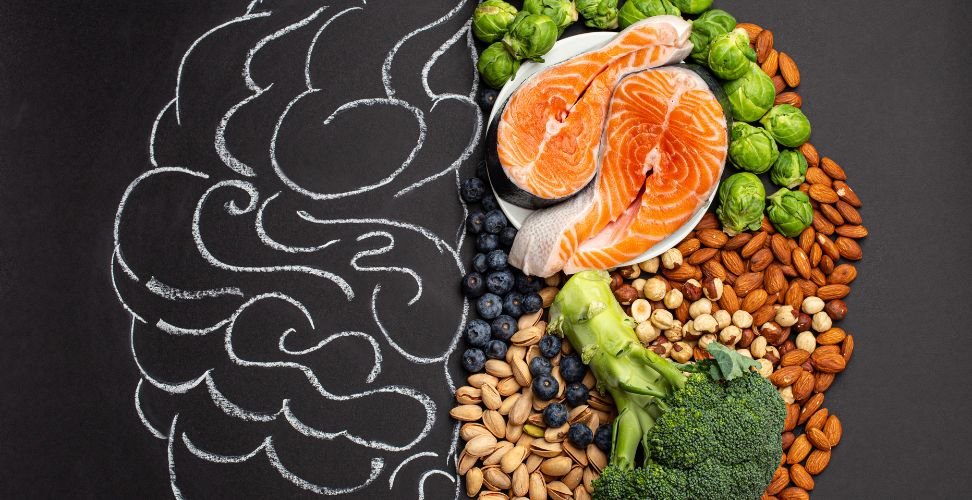
By preserving a healthy and balanced digestive tract microbiome through diet and way of life selections, individuals can help reduce swelling and possibly improve mental health results. Anti-inflammatory foods, such as fatty fish rich in omega-3 fatty acids, berries, leafy greens, and nuts, can contribute to both gut and mind health.
Practical Methods for Supporting Intestine and Mental Health
To cultivate a healthy gut-brain link, individuals can embrace numerous functional approaches that promote both digestive tract wellness and psychological wellness:
- Emphasize a Balanced Diet: Focus on entire, nutrient-dense foods rich in fiber, vitamins, and minerals. Integrate a range of fruits, vegetables, entire grains, and healthy fats into your dishes.
- Include Probiotics and Prebiotics: Include fermented foods such as yogurt, kimchi, sauerkraut, and kombucha, as well as prebiotic-rich foods like garlic, onions, and leeks to support a varied digestive tract microbiome.
- Remain Hydrated: Sufficient hydration is important for digestion and general digestive tract wellness. Aim to drink plenty of water throughout the day.
- Manage Stress: Exercise stress-reducing methods such as mindfulness reflection, yoga exercise, or deep-breathing workouts to help reduce the impact of tension on both intestine and brain wellness.
- Prioritize Rest: Quality sleep is essential for both gut wellness and mental wellness. Aim for 7-9 hours of restorative rest each night.
- Participate In Routine Exercise: Exercise has been revealed to promote a healthy digestive tract microbiome and decrease tension, making it valuable for both intestine and psychological wellness.
- Restriction Processed Foods and Sugars: Reduce the consumption of refined foods and sugarcoated, which can adversely impact digestive tract wellness and add to swelling.
Verdict: The Holistic Approach to Health And Wellness
The gut-brain link underscores the elaborate interaction in between our digestion system and psychological well-being. A healthy intestine microbiome can considerably affect state of mind, cognition, and emotional durability, while inadequate digestive tract health and wellness can contribute to a range of psychological health and wellness problems. By embracing a holistic technique that emphasizes a balanced diet, anxiety monitoring, and healthy lifestyle choices, people can sustain both digestive tract wellness and psychological health.
As research continues to reveal the complexities of the gut-brain connection, it ends up being significantly clear that nurturing our digestive tract can result in extensive benefits for our psychological health and wellness. By acknowledging the value of this relationship, we can take positive actions towards attaining optimal health and health from the within out.