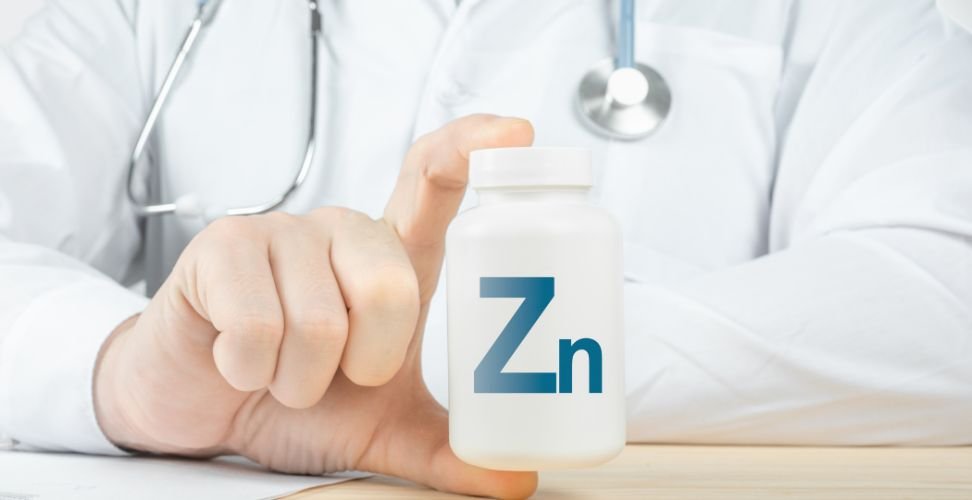
Zinc: Important for Immune Cell Function and Decreasing the Duration of Colds
Zinc is a trace element that plays a critical role in numerous biological processes, specifically in sustaining immune feature. It is essential for the development and feature of immune cells, making it vital for keeping a healthy immune reaction. In recent years, research has actually progressively highlighted zinc's function in minimizing the period and severity of common illnesses, such as the cold. This expedition explores the importance of zinc for immune wellness, its nutritional resources, advised intake, and its impact on colds and infections.
The Role of Zinc in Immune Function
Zinc is associated with numerous aspects of immune function. Below are some bottom lines concerning its relevance:
- Immune Cell Advancement: Zinc is important for the appropriate growth and activation of immune cells, including T lymphocytes and B lymphocytes. These cells play crucial functions in the flexible immune reaction, which is important for fighting off infections and health problems.
- Antioxidant Features: Zinc has antioxidant impacts that assist secure immune cells from oxidative anxiety. This defense is essential for preserving the stability and functionality of immune cells.
- Law of Inflammatory Response: Zinc contributes in modulating inflammation. Sufficient degrees of zinc can aid manage the inflammatory feedback, avoiding excessive inflammation that can harm tissues and hinder recuperation.
- Antiviral Task: Research study recommends that zinc may have direct antiviral residential properties. It can prevent the duplication of particular infections, adding to an extra reliable immune action versus infections.
Zinc and the Common Cold
The acute rhinitis is caused by numerous infections, the majority of commonly rhinoviruses. While there is no cure for the cold, studies have shown that zinc can help in reducing the duration and intensity of symptoms. Right here's how zinc effects chilly results:
- Shortening Duration: Research study suggests that taking zinc supplements within 24 hr of the beginning of cold signs can significantly shorten the period of the cold. Some studies have reported reductions of as much as 33% in the length of health problem.
- Minimizing Severity: Zinc has been shown to reduce the intensity of cool symptoms, such as nasal blockage, sore throat, and coughing. This might bring about an extra comfortable experience during the health problem.
- System of Activity: Zinc may function by preventing the replication of the infection and modulating the immune reaction. Its existence helps make certain that immune cells work efficiently, boosting the body's capacity to battle the infection.
Dietary Resources of Zinc
To preserve appropriate zinc degrees, it is important to eat foods abundant in this mineral. Excellent dietary sources of zinc include:
- Meat and Fowl: Red meat, fowl, and body organ meats are superb sources of zinc. Beef, lamb, and hen provide high bioavailability, implying the body can absorb and utilize zinc efficiently.
- Seafood: Oysters are among the wealthiest resources of zinc. Various other seafood, such as crab and lobster, also supply considerable quantities of this mineral.
- Legumes: Beans, lentils, and chickpeas are good plant-based sources of zinc, although the bioavailability is lower than in animal resources. Food preparation and growing can boost zinc absorption from beans.
- Nuts and Seeds: Pumpkin seeds, cashews, and hemp seeds are nourishing choices that contain zinc. These can be quickly integrated right into treats, salads, and smoothie mixes.
- Whole Grains: Entire grains like quinoa, wild rice, and oats contain zinc, though phytates in grains can hinder absorption. Saturating or fermenting grains can aid enhance bioavailability.
- Milk Products: Cheese and milk are additionally great resources of zinc. They provide a practical way to enhance zinc consumption, particularly in diet plans that include pet items.
Recommended Daily Consumption
The suggested nutritional allowance (RDA) for zinc varies by age, sex, and life stage. For many grownups, the RDA is roughly 11 mg per day for men and 8 mg each day for females. Expectant and nursing women require greater amounts, varying from 11 to 12 mg daily.
It is essential to keep in mind that excessive zinc intake can lead to poisoning, which might create queasiness, vomiting, and various other wellness concerns. Therefore, it's best to go for adequate consumption through a well balanced diet instead of depending solely on supplements.
Supplementation Factors To Consider
Zinc supplements are readily available in various types, including zinc gluconate, zinc acetate, and zinc picolinate. When thinking about supplements, a few factors deserve keeping in mind:
- Seek Advice From a Medical Care Professional: Before beginning any kind of new supplement, specifically if you have underlying health and wellness problems or are taking medications, it's recommended to speak with a doctor.
- Timing Issues: For those wanting to minimize the period of a cool, beginning zinc supplementation as soon as signs show up might supply the most benefit.
- Dose: Common doses for cold management array from 10 to 30 mg of zinc each day. Nevertheless, individual requirements may differ, so it is necessary to adhere to support from a medical care expert.
The More Comprehensive Health And Wellness Perks of Zinc
Beyond its function in immune wellness, zinc is involved in several other essential processes within the body:
- Wound Healing: Zinc plays a crucial role in skin wellness and wound recovery, promoting cell growth and fixing.
- Taste and Smell: This mineral is crucial for keeping a proper taste and odor. A deficiency in zinc can bring about transformed sensory understandings.
- Healthy Protein Synthesis and DNA Synthesis: Zinc is essential for healthy protein synthesis and DNA duplication, making it vital for development and growth.
- Hormone Regulation: Zinc influences hormone degrees, including insulin, which is important for blood glucose regulation.
Conclusion: A Trick Mineral for Immune Wellness
Zinc is an important mineral that plays a considerable role in sustaining immune function and decreasing the period of colds. Its participation in the development and activation of immune cells, along with its antioxidant and antiviral buildings, makes it vital for a robust immune action.
To maintain optimal zinc levels, it is essential to include a variety of zinc-rich foods in your diet regimen. While supplementation can be beneficial in specific circumstances, a well balanced diet plan is the best strategy for guaranteeing ample consumption and total health and wellness.
By acknowledging the importance of zinc and its function in immunity, individuals can take positive steps to support their health, particularly throughout cool and flu season. Focusing on zinc-rich foods and considering supplementation when necessary can add to a much more durable immune system and a healthier life.